Last updated
A useful Vinted condition checklist takes less than a minute. Compare the stated condition with the photos, look closely at wear points, confirm what comes with the item, allow for cleaning or repairs, and save the evidence. Every second-hand purchase carries some risk. The point is to decide whether the listing proves enough for the asking price before the fear of missing out takes over.
In this post: What buyers reported | Photos to inspect | Questions to ask | Eight checks | Delivery inspection | Using alerts calmly
What did 126 Reddit upvotes reveal about item condition?
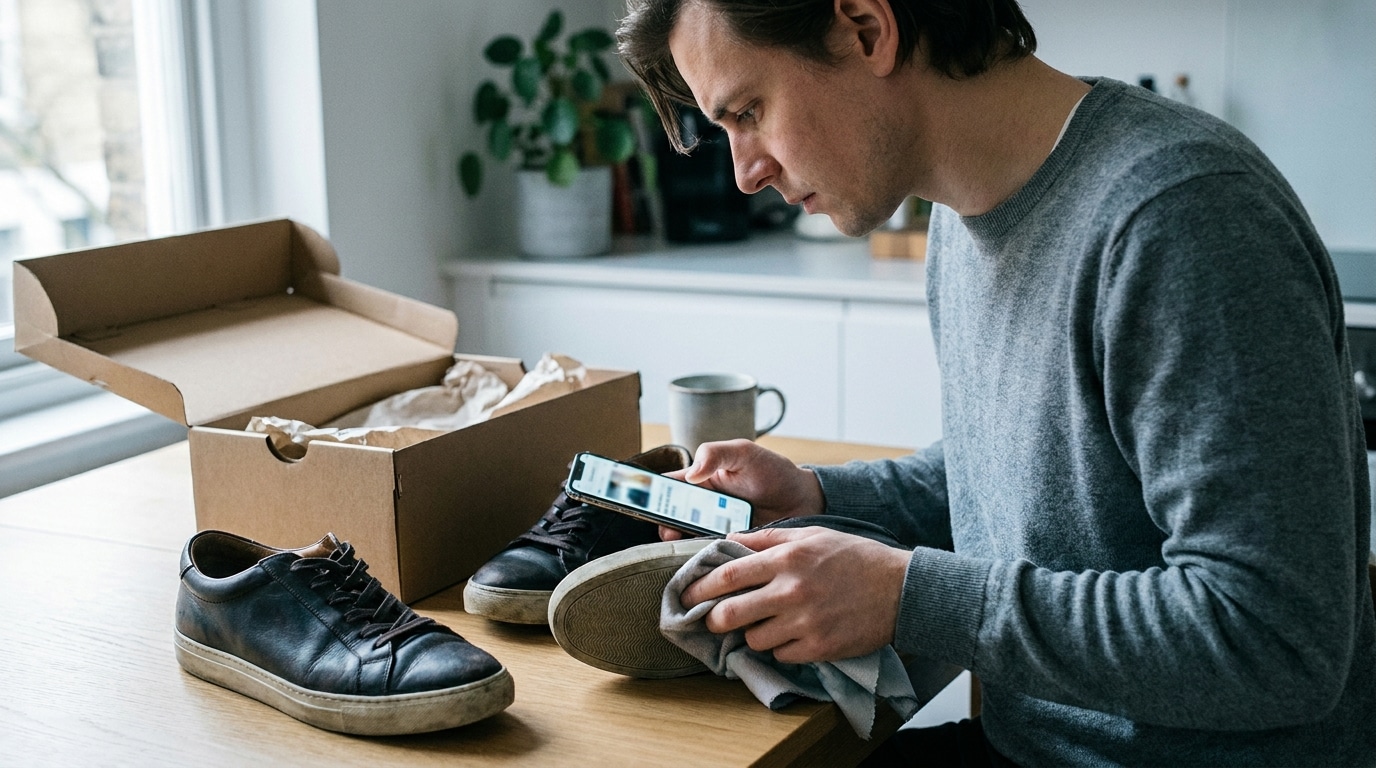
In the recent r/vinted thread that prompted this checklist, buyers described moldy shoes, missing pieces, hair, strong smells, poor packaging, damage, and items that looked worse than their listed condition. The post had 126 upvotes when researched on 20 September 2026. The thread is a warning signal, but it is still anecdotal. It does not show how often Vinted orders go wrong.
Those complaints cover several problems, and each one calls for a different response. Mold, an undisclosed stain, or heavy wear concerns the item's condition. A coat without its belt or a game without one component is incomplete. A cracked object inside a crushed box may have been damaged in transit. Suspicious tracking, payment requests, and unusual delivery instructions are a separate problem. It helps to separate condition uncertainty from suspicious shipping and tracking patterns.
The concern goes beyond one Reddit thread. GlobalData research on second-hand quality concerns found that 37.9% of global consumers did not trust the quality of second-hand items. This measures consumer trust, not Vinted's defect rate. It does explain why buyers want proof. A low price stops looking cheap once you add a missing part, a specialist clean, or a repair that the photos failed to show.
Which photos support a Vinted condition checklist?
Good listing photos answer a condition question. A dozen distant front views tell you less than four sharp photos of the areas that wear first. Vinted's own item-description guidance tells sellers to describe flaws and show them in photos. That is a sensible minimum, though it does not guarantee that every flaw will be visible.
For shoes, inspect both soles, the heel edges, toe creases, lining, insoles, stitching, and size label. On clothes, check the cuffs, underarms, collar, hems, seams, fasteners, and fabric around the pockets. Bags need close views of their corners, handles, lining, zips, clasps, and removable straps. For electronics, look for a powered-on screen, the ports and casing corners, the model label, the charger, and every accessory named in the description.
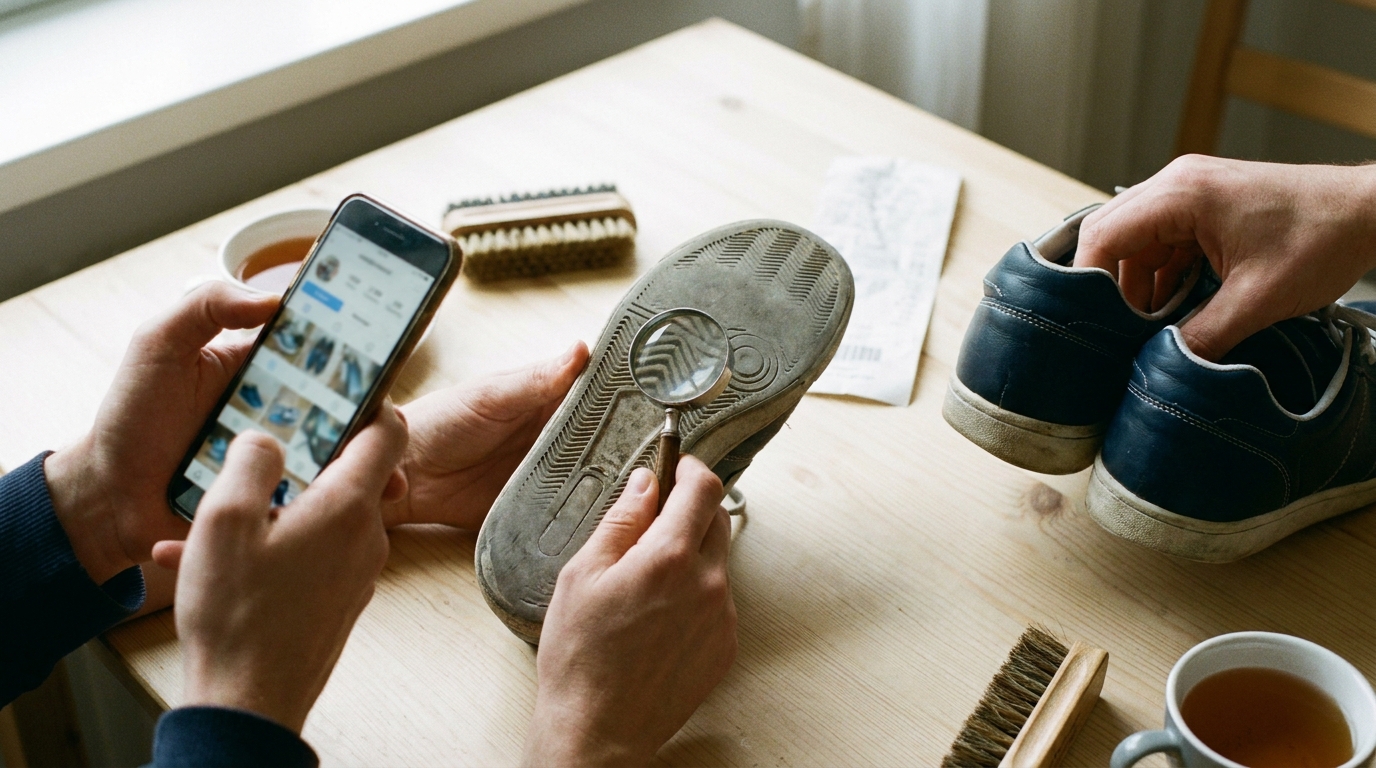
Zoom in. "Very good" is the seller's classification, while the photographs are the evidence available to you. Watch for bright lighting that washes out fading or tight crops that skip a fragile area. Make sure you can see every side. Five shots from almost the same angle still count as one view.
If the item is collectible or sold as a complete set, make a quick inventory. Count the cards, attachments, cables, lids, inserts, dust bags, and spare parts shown in the photos, then compare that count with the description. For anything that could crack in transit, inspect its edges and joints. You will have a much cleaner comparison if it arrives damaged.
What should you ask the seller before paying?
Ask about the gaps in the listing. Vinted's safe-buying advice recommends using the platform's "Ask seller" button, so the exchange stays attached to the item. Keep the message specific. "Could you show the heel wear and confirm whether the insoles lift?" is far easier to answer than "Can you send more details?"
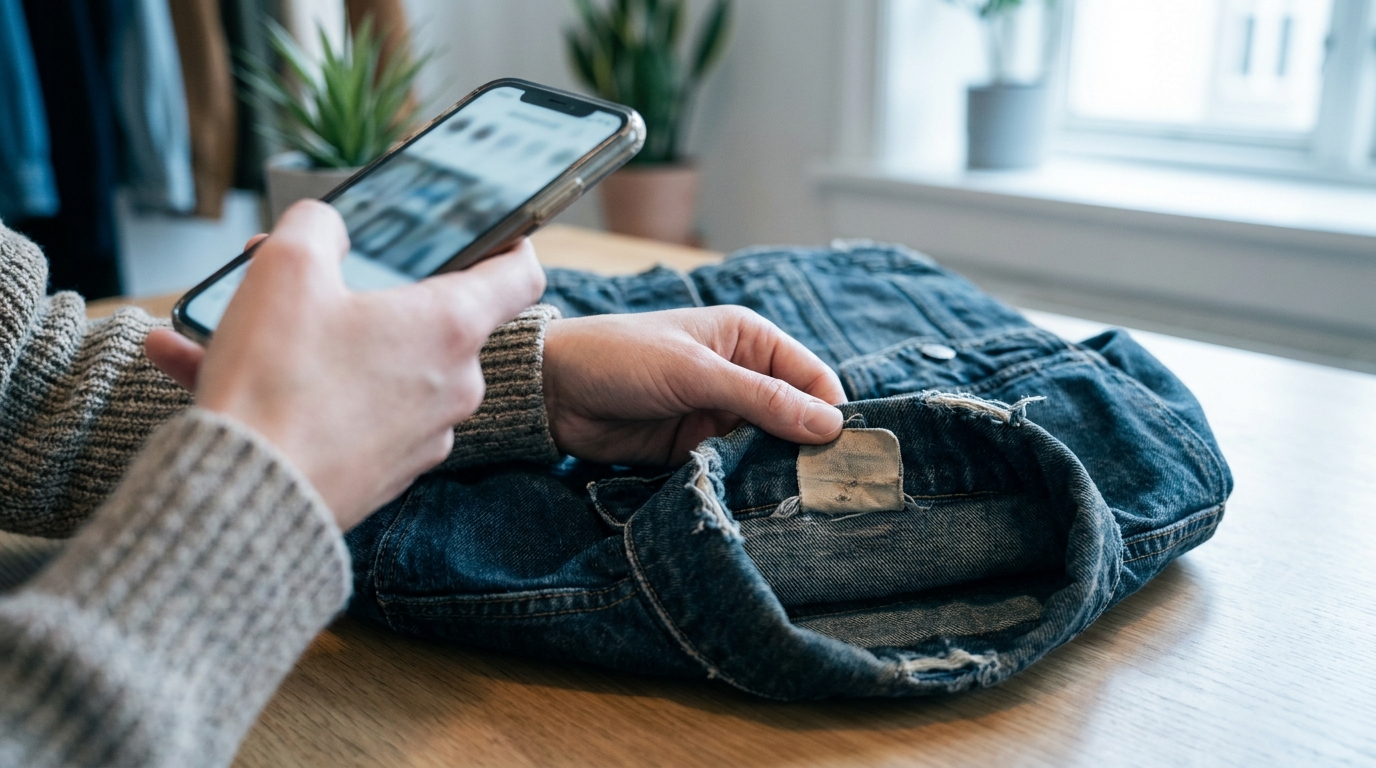
Aim each question at the thing most likely to disappoint you. For a jacket, ask for pit-to-pit and length. For trousers, ask for the waist and inseam. For a device, ask how the battery behaves. For a set, ask the seller to confirm that every pictured part is included. Measurements matter because tagged sizes vary and alterations are easy to miss. A poor fit on its own usually does not mean the condition was misrepresented.
Odors need a direct question because a photograph cannot reveal them. Ask whether the item smells of smoke, perfume, pets, damp, or long storage, especially with shoes, wool, leather, soft furnishings, and lined bags. "Does it smell fine?" invites a vague answer. Name the smells that would make you pass.
Read the reply for substance. A slow answer with one clear photo may settle the question. A quick "all good" that conflicts with visible wear does not. If the seller dodges a simple request, edits the description, or gives inconsistent answers about what is included, treat that uncertainty as part of the purchase.
Vinted condition checklist: eight checks
Run these checks in order and stop when the evidence no longer supports the price. A cheap listing is not safer because it is cheap. It simply limits how much money you might lose.
-
Compare the category condition with the photos. Turn labels such as "new with tags," "very good," or "satisfactory" into visible proof. If tags are claimed, they should appear in a photo. Heavy sole wear, pilling, stretched fabric, chipped corners, or a scratched screen should make sense for the selected condition. When the label and the photos disagree, trust the photos.
-
Inspect the areas that wear first. Check soles, heels, cuffs, collars, seams, lining, corners, handles, hinges, ports, buttons, zips, and screens. Ask for the missing angle if it could change your mind. The photos do not need to look professional. They do need enough light and focus for you to see the surface.
-
Read the description beside the photos. Look for contradictions, vague phrases, and visible defects that the seller never names. Colored spots or a musty smell can suggest mold, according to CDC guidance on recognizing mold. This can help you spot a warning sign, but it is not a diagnosis or a cleaning guide. If contamination looks plausible and the seller cannot explain it, walk away.
-
Confirm every included piece. Make a short inventory for bundles, games, electronics, coats with belts, shoes with removable parts, and collectibles. "As pictured" means little when the photos crop the contents. Ask whether the charger, straps, lids, manual, insoles, laces, case, and attachments are included. Replacing one proprietary part can wipe out the saving.
-
Check measurements, material, and care details. Compare the measurements with an item you own instead of relying on the size tag. Confirm the fabric composition when shrinkage, stretch, or cleaning matters. Look at the care label and ask about alterations. A shortened hem, replacement zip, or machine-washed wool jumper can affect the fit and its resale value.
-
Review the seller's history and replies. Recent reviews may reveal repeated complaints about descriptions, packaging, smoke, missing items, or communication. Do not stop at the star average. Read what happened and compare it with the current listing. A new seller is not automatically unsafe, though the item needs stronger proof when there is little history to judge.
-
Calculate the full price and choose a walk-away point. Add the item price, Buyer Protection fee, shipping, likely cleaning, small repairs, and any missing accessory. Then set a walk-away price from the full checkout total, not the headline price. If the deal works only when every uncertain detail turns out well, the price does not cover the risk.
-
Set your proof threshold and consider shipping. Decide what you must see before paying, perhaps both soles, a powered-on screen, or every component in a set. Think about whether the item can survive ordinary parcel handling too. Fragile edges, liquids, delicate trims, and loose bundles deserve extra caution. Reject the listing if one unanswered question could erase the saving.
The sequence is short on purpose. Once it becomes familiar, the first pass takes seconds and only promising listings need a seller question. You spend less time debating listings that were weak to begin with.
How should you inspect a parcel after delivery?
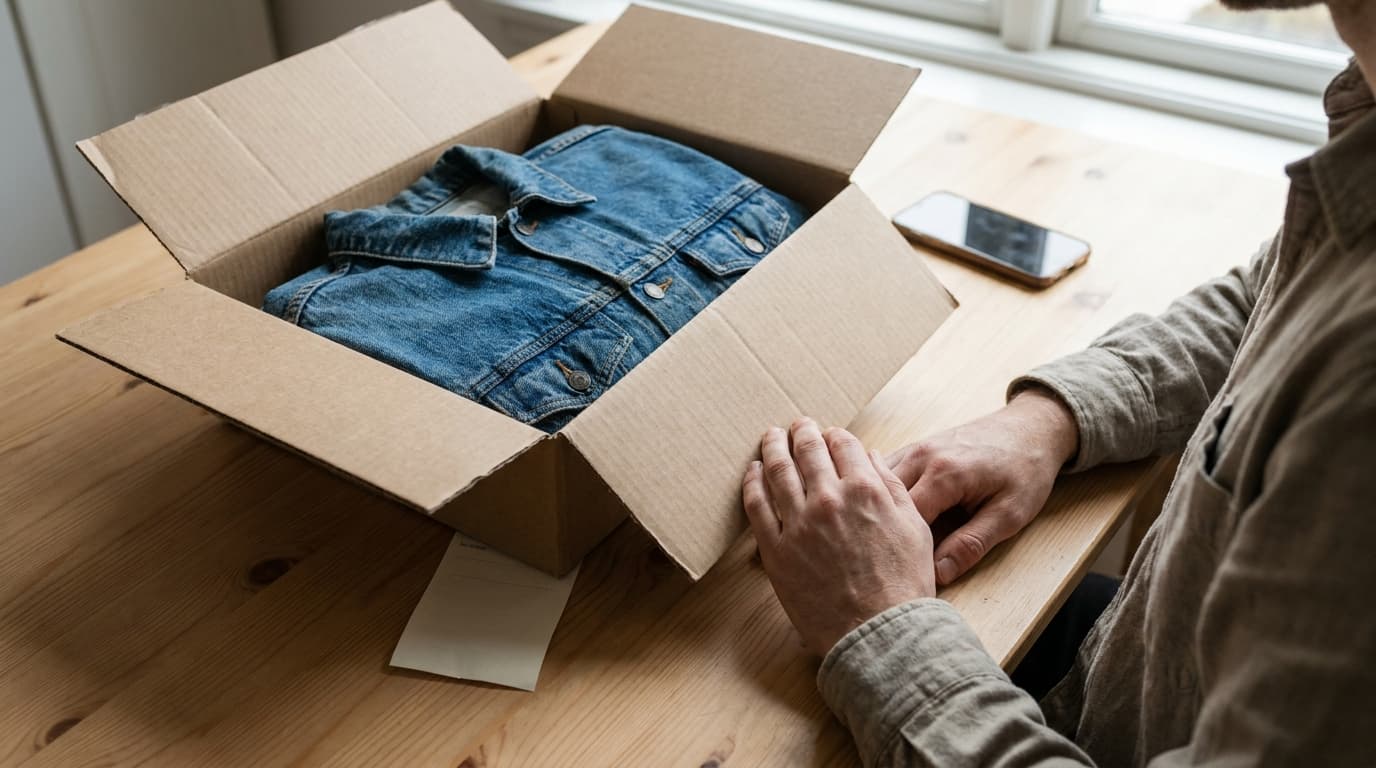
Document the parcel before testing or cleaning the item. Photograph the unopened package and the shipping label, but keep names, addresses, and tracking details out of anything you share publicly. Take a picture of every side, the inner packing material, and the item's position inside. If the box is crushed, wet, open, or too loose, record it before you move the contents.
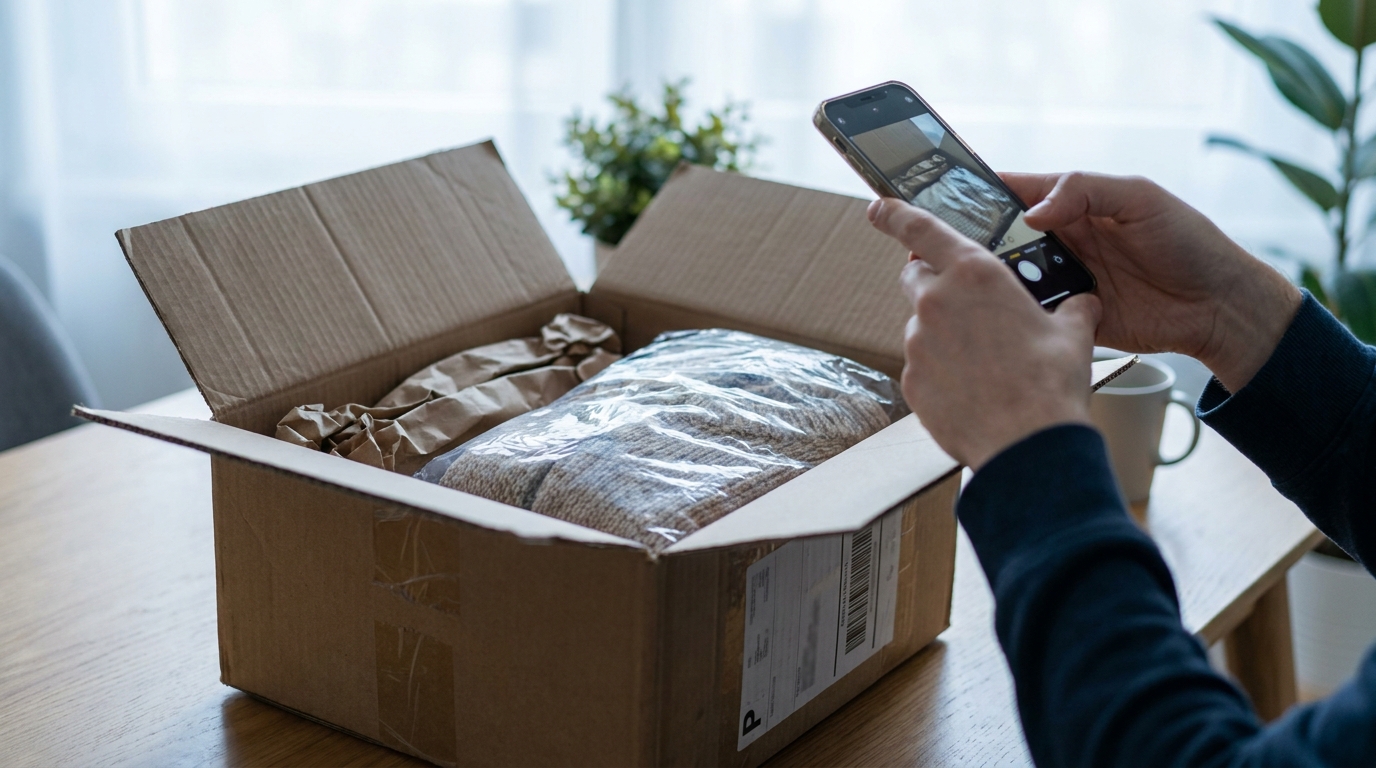
Now compare the delivered item with the saved listing and seller messages. Recheck the wear points, measurements, accessories, serial or model details, and any defect you discussed. Photograph a mismatch both in context and close up. Keep all packaging until the order is settled. It may help show whether the problem existed before shipping or happened on the way.
Report the problem inside Vinted and keep the conversation there. Vinted's current refund policy says buyers have two calendar days to report an issue and request a refund once the reporting period starts. Help pages, deadlines, and local steps can change, so follow the instructions in your own order instead of an old screenshot. Our guide explains Buyer Protection and the current problem-reporting window. Vinted still decides each case under the terms that apply to it.
Your legal rights also depend on who sold the item. EU guidance on second-hand marketplace rights says EU consumer rules generally cover purchases from traders. Second-hand goods bought from private individuals do not fall under those rules. National law and platform protection may still apply. Check the seller's status and local guidance; this article is not legal advice.
Let fast alerts create time, not pressure
Speed helps when it gives you time to inspect a listing before other buyers find it. It becomes a problem when a notification feels like an order to pay. A narrow search cuts the noise, so you can open a relevant listing early without skipping the condition check.
Start by learning how to build a narrow Vinted alert around the item and condition you want. The brand, model, size, specific keywords, and a firm price ceiling will remove many irrelevant results. For more detail, you can see how InstantAlert checks saved searches in the background.
A fresh match may reach you sooner, but InstantAlert has no way to inspect a stain, smell a lining, confirm that the charger is present, or promise that a listing will stay available. You still have to judge the item. Sometimes the best result is rejecting a poor listing quickly.
Save one narrow search and write a five-second routine for the wear points and missing parts that matter. Use it every time, even when the price is tempting. A fast alert should leave you with more time to choose.