Last updated
The Buyer Protection charge funds a platform process, not a guarantee that every complaint will succeed. Check the fee shown for your order and the policy that applies to its seller and market. This guide uses Vinted’s UK guidance, checked on 28 September 2026, for purchases from standard members; Pro purchases follow a separate refund policy.
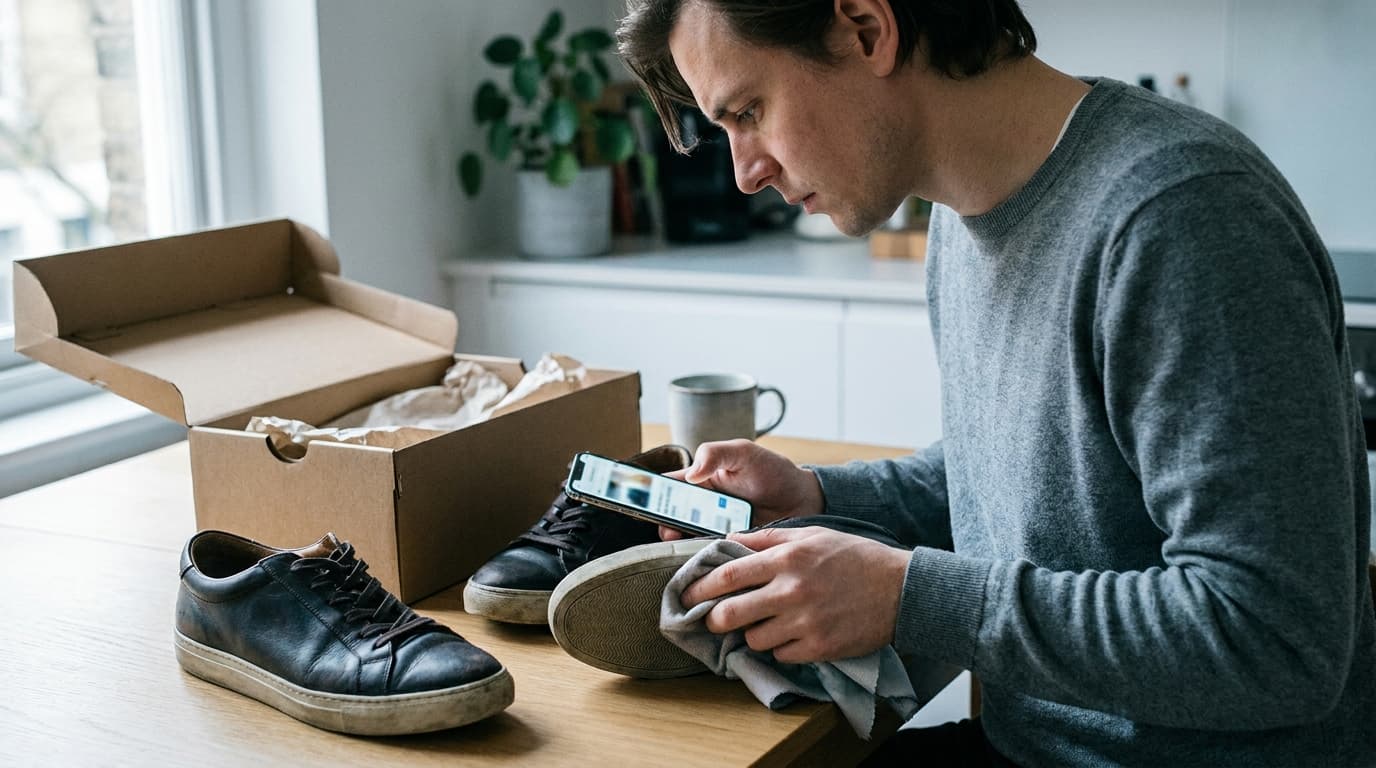
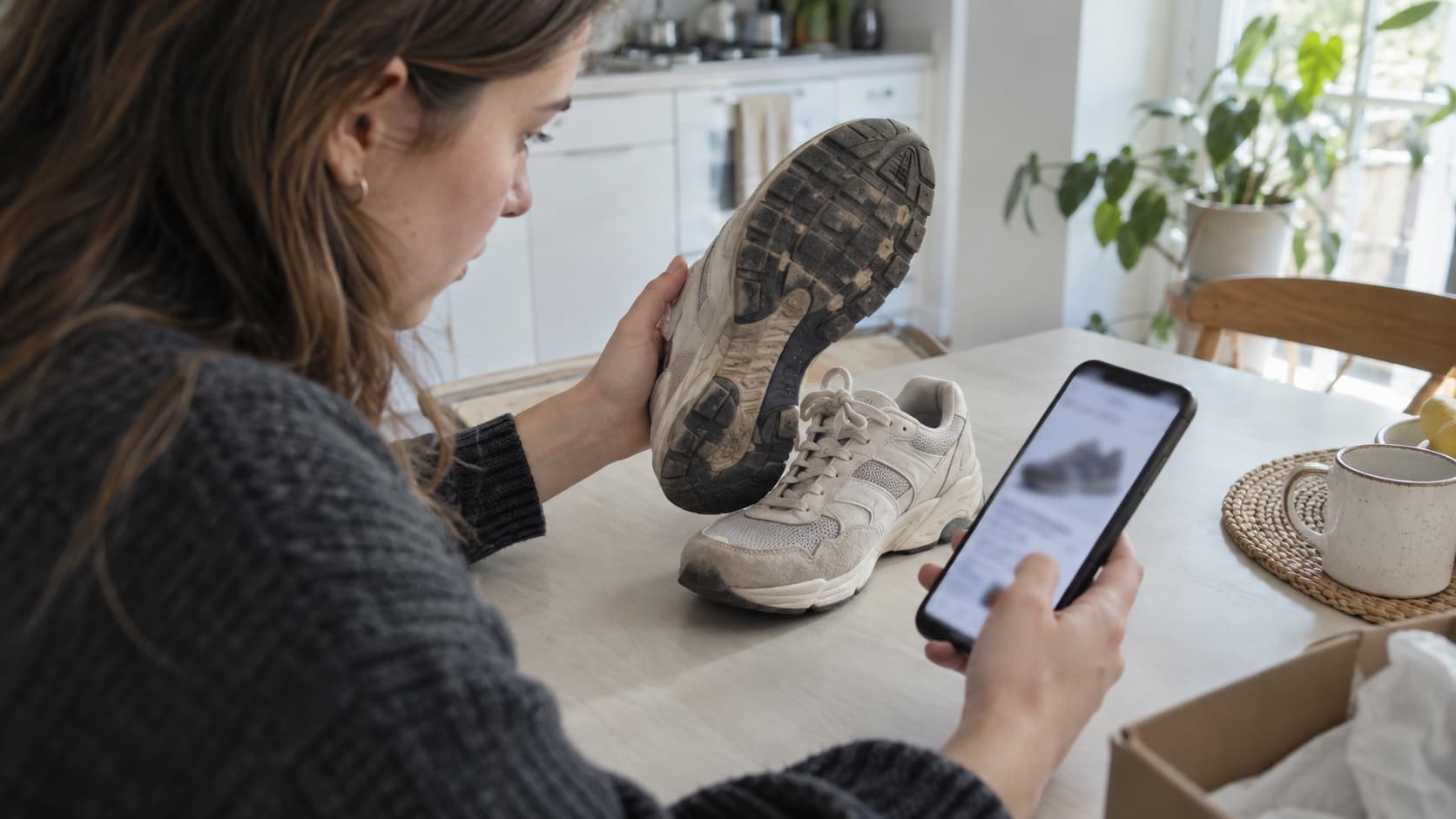
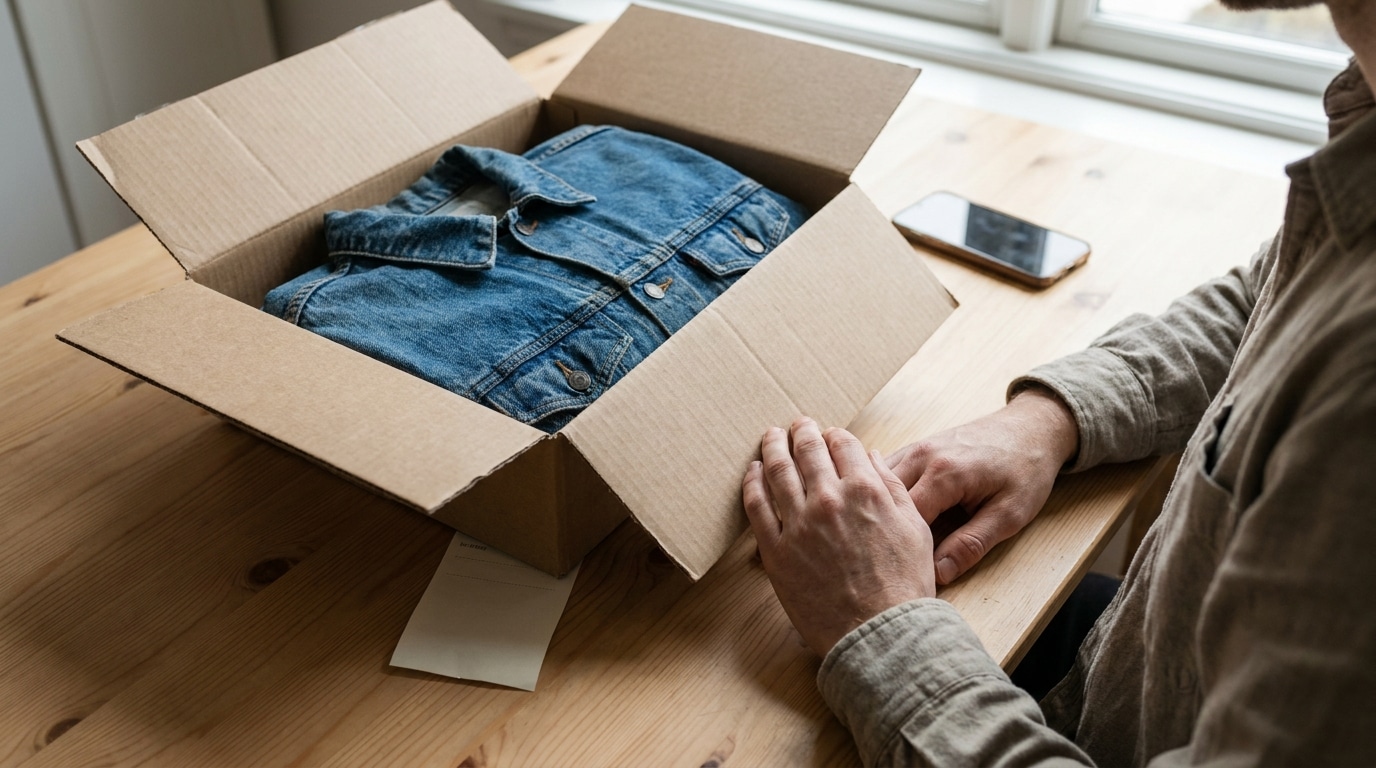
The cover and scene images are illustrations, not actual listings, product screenshots or transaction evidence.
In this post: The charge · Covered problems · Document a mismatch · Refund costs · The reporting clock
What is the Vinted fee?
Vinted’s UK fee explanation says the charge is mandatory and variable. Item characteristics, order value and whether it is a bundle can affect it. Do not apply a fixed euro formula or a US price-list example to every market.
Use the actual checkout breakdown. Avoid double-counting a fee already included in a displayed total. For a hypothetical £10 item in the UK, £16 all-in and £25 all-in are different buying decisions; neither example is a quoted tariff.
If the question is whether the item is worth that total, use the fair-price comparison. If it is whether combining items saves on delivery, use the shipping and bundle calculation.
What does Buyer Protection cover?
The UK standard-member refund policy covers qualifying non-shipment/loss, damage and significant differences from the description for purchases through “Buy now”. It excludes a correctly described item simply not fitting or suiting you. Pro purchases use a different policy.
A large undisclosed tear is a different complaint from disliking a coat’s colour. Photograph the actual discrepancy and compare it with what the listing promised. Keep payment and communication on Vinted; an outside transfer does not use this protection process.
What happens when an item is significantly not as described?
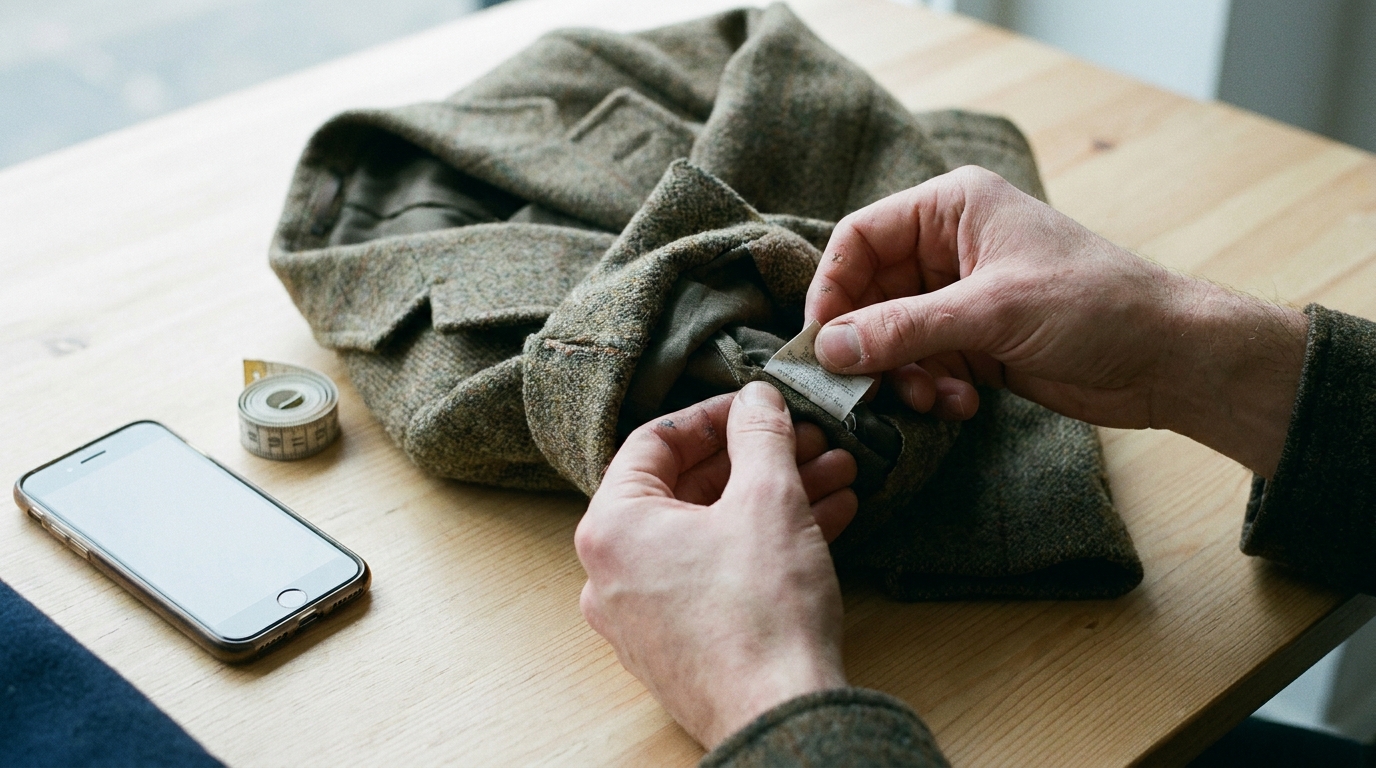
If the item arrives with a real issue, do not confirm that everything is fine just to clear the notification. Open the order in the Vinted app and use the "I have an issue" route before the order completes. Explain the mismatch plainly, attach clear photos, and show what differs from the listing. Photograph a missing label, a damaged zip, a stain, or the wrong item itself. One broad photo and one close-up often say more than a long, angry paragraph.
Keep the order in the state in which it arrived. Do not wash the item, remove tags, repair it, or throw away the mailer before photographing the issue and checking the in-app options. This is practical evidence management, not a trick to force a refund. It lets both sides see what was delivered.
If delivery itself is part of the dispute, record the parcel as well as the contents. An empty or damaged package is harder to assess when there is no photo of the outer label, tape, or packaging condition. Why a clear parcel-and-item record matters when a dispute concerns delivery explains a sensible sequence without asking buyers to assume the worst.
Which costs can you get back?
Under the UK policy’s refund breakdown, an eligible full refund can include the item, initial shipping and protection fee, plus applicable import VAT or optional verification charges. Buyer-paid return postage may be deducted. Partial refunds and returns depend on the case and purchase type; a single set listing and a multi-listing bundle have different options.
Before returning anything, write down the following from the instructions you receive:
| Detail | Why to record it |
|---|---|
| Items to return | Avoid assuming a whole bundle or only one piece must go back |
| Return method and deadline | Use the process attached to the case |
| Who pays return postage | The original delivery refund does not settle the return cost |
| Proposed refund amount | Compare with what you actually paid, including discounts |
Ask support to clarify an unclear instruction before improvising a return route. Keep the receipt and tracking. Do not assume a seller’s informal promise changes the platform’s stated outcome.
When does the reporting clock start?
The UK standard-member policy allows two calendar days from Vinted’s notification that the order should have arrived or seems lost. Report through “I have an issue”; confirming acceptance or missing the period can release payment and end that platform refund route.
This is not two days from purchase or dispatch. Follow the deadline in your order, particularly for a delivery dispute. Delayed-parcel instructions distinguish shipping methods; a parcel still in transit is not automatically a lost-order claim.
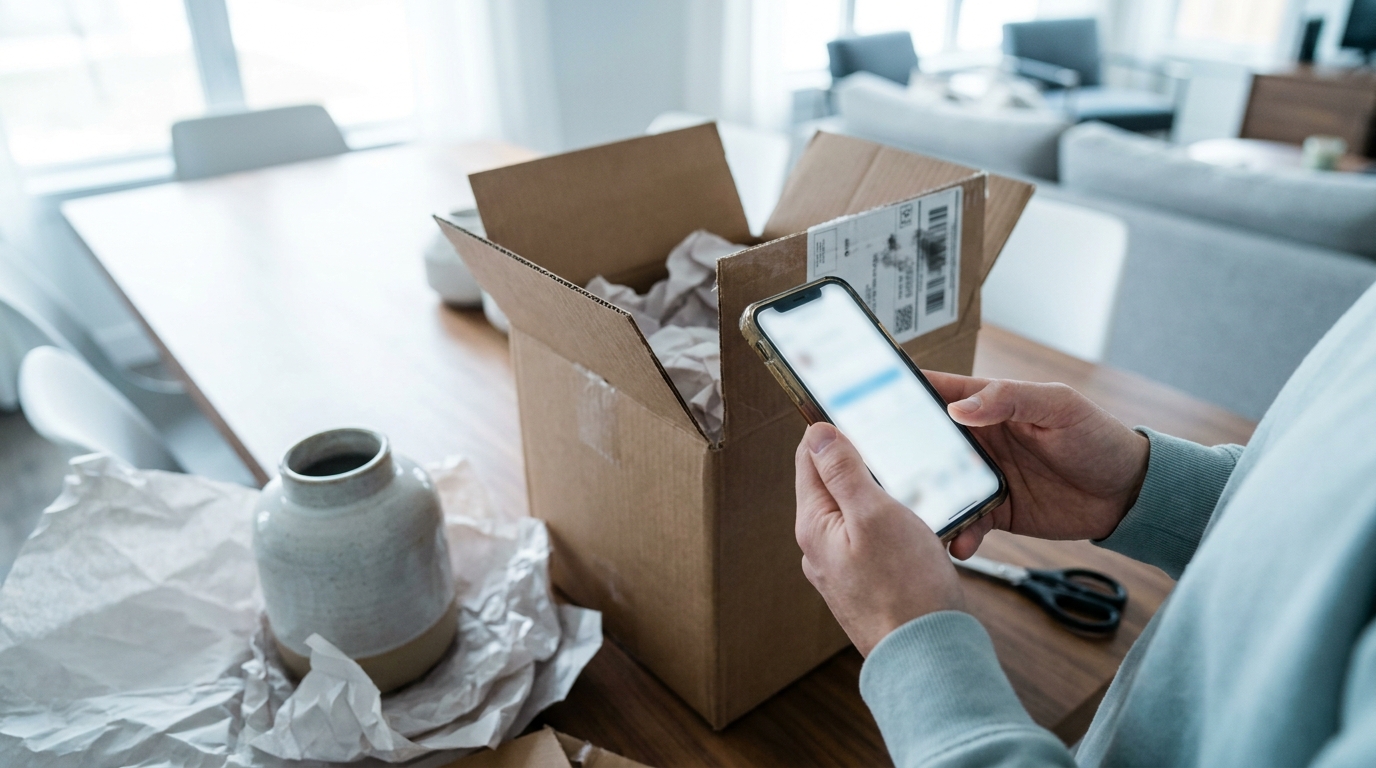
Set aside time to inspect the parcel on arrival. Save the listing and take a clear overall photo plus close-ups of the problem. Keep packaging while the case is open. The condition checklist gives the item-specific inspection steps without making a refund promise.
Check seller status as well as the deadline
A platform reporting window is not a complete statement of your legal rights. EU consumer guidance distinguishes purchases from traders from private sales, including second-hand goods. A person operating as a business may count as a trader even if they appear to be a private seller.
Use the policy and law applicable to your transaction rather than importing this UK standard-member example into another market. Before paying, establish the full amount, seller status and route for reporting a problem. After delivery, act on the order’s actual deadline.