Last updated
Vinted reselling is booming, which is also why it has got harder to win at. More buyers and more sellers are on the platform than ever, so the genuinely good listings, the right brand in your size at a fair price, sell within minutes of going live. If you are refreshing the app by hand, you have already lost most of them. Scrolling faster does not fix that. Being told the moment a match appears does, along with knowing what to buy and how to price it once you are there.
In this post: How big it got - Why listings sell in minutes - What sells fast - Pricing to sell - Getting there first - Has it peaked? - Tax
How big has Vinted reselling actually got?
Bigger than most people assume, and the growth is recent. Vinted posted its first annual profit in 2023, on revenue of about EUR 596m, up 61% on the year before, as "Europe's largest online marketplace for used clothes." Revenue then climbed to EUR 813.4m in 2024. By 2025 the platform had pushed past EUR 1bn.
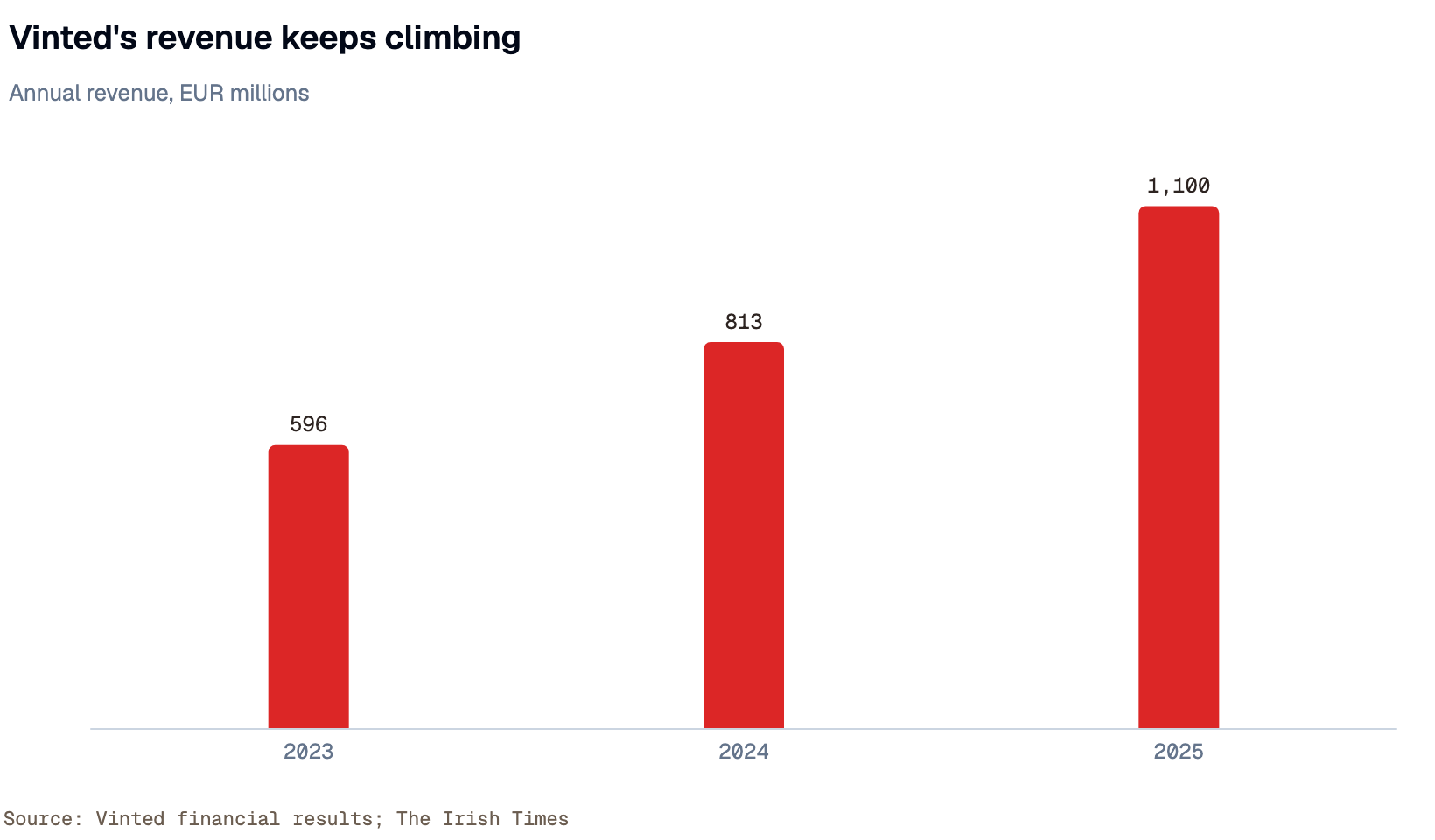
In three years, revenue has climbed from EUR 596m in 2023 to about EUR 1.1bn in 2025. The fuller picture from Vinted's 2025 results is the gross merchandise value, the total worth of everything sold through the platform, which hit EUR 10.8bn, a 47% jump on 2024. Over the same period Vinted moved beyond clothes into electronics, homeware, collectibles and sport, and opened in new countries. Net profit actually dipped to EUR 62m, down 19%, but that is reinvestment in those new categories and a US launch, not a business shrinking. In October 2024 it was valued at EUR 5bn in a secondary share sale.
This is not only a Vinted story. The same shift is happening across the wider second-hand market. In the US, the 2025 ThredUp Resale Report found that the secondhand apparel market grew five times faster than the broader retail clothing market in 2024, a record 58% of US consumers bought secondhand that year, and the global secondhand apparel market could reach 367 billion dollars by 2029. Europe is on the same curve. And in Britain, Vinted is now the most-searched side hustle of all, ahead of every other way people try to make a bit of money on the side.
Why do the best listings sell in minutes?
Because the boom cuts both ways. The same growth that makes Vinted a great place to source also fills it with people hunting the same items you are. When a seller lists a clean pair of Adidas Sambas in a common size at a fair price, dozens of buyers may be watching that exact search. The well-priced, in-demand pieces do not sit around. They get bought within minutes, often by whoever happened to be looking at their feed at the right second.
A big part of what is driving all those extra buyers is money. Surging inflation since 2021 has pushed shoppers towards cheaper second-hand goods as they cut back on new clothes, which is the same reason more people are listing their own wardrobes too. So you have more buyers and more sellers arriving at once. Supply is healthy, but the best of it is fought over hard.
For anyone trying to buy good stock to resell, this is what it all hinges on. If you find out a listing exists by scrolling past it, you are competing against everyone else who is also scrolling, plus everyone whose phone already buzzed. I built InstantAlert because I kept losing items this way: the right jacket in my size would appear and be gone before I opened the app. The tool is simple in what it does. You can read how InstantAlert turns a saved search into an instant ping, but the honest version is that it makes you early. It does not make you buy faster than your own thumb once you are on the listing, and it will not conjure stock that is not there. Being early is usually enough.
What actually sells fast on Vinted right now?
Clothing leads, and not by a small margin. According to Which?'s guide to buying and selling on Vinted, old clothing is the most common item sold, followed by books, accessories and tech. Within clothing, the reliable movers are the names people already search for: well-known high-street labels, sportswear like Nike and Adidas, good denim, and solid knitwear. Archive and vintage designer pieces are a smaller but growing pocket of interest, where the right find can go for real money.
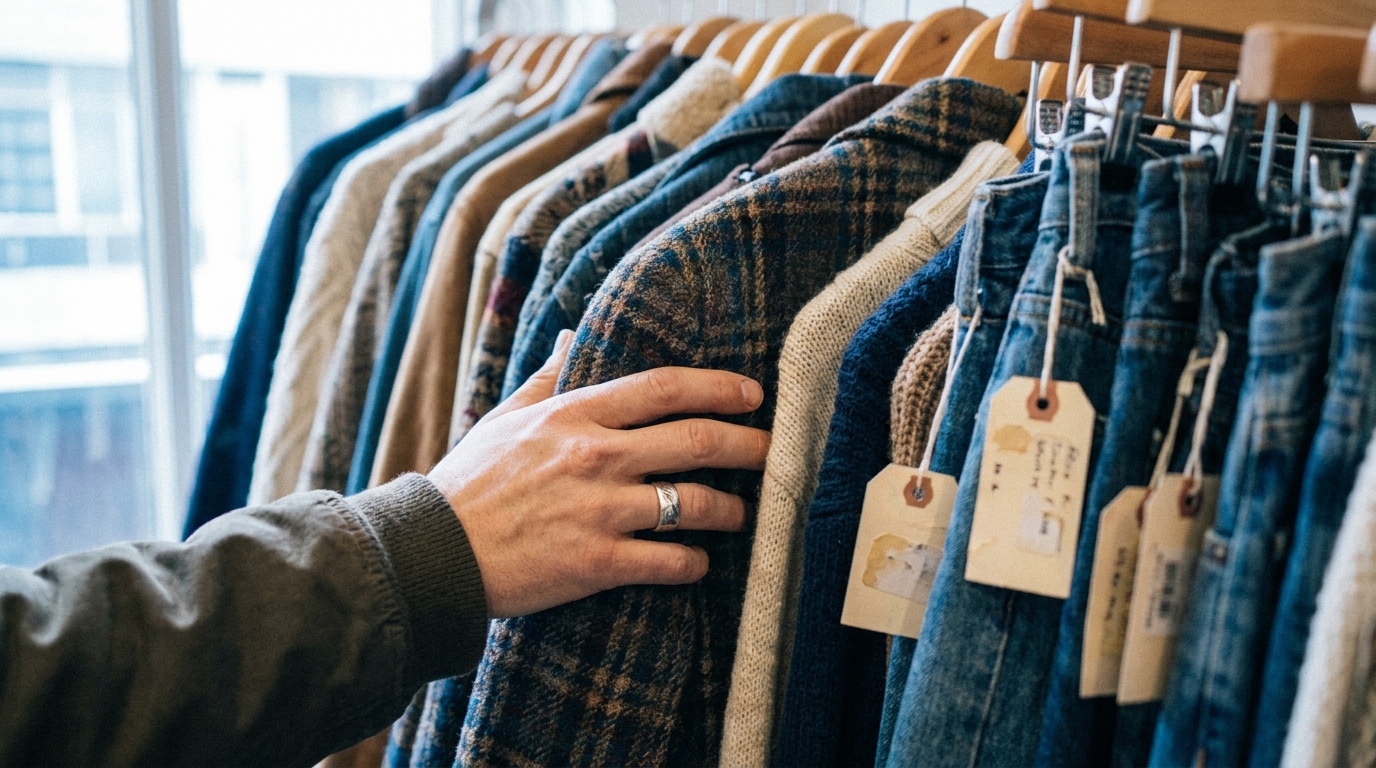
The thing that ties all of these together is searchability. A buyer types a brand, a size, sometimes a specific model, and waits. If your listing matches that exact phrase, it surfaces. If it does not, it sinks. The same logic applies when you are the buyer. A search for "jacket" pings you all day and you learn to ignore it. The trick is to narrow an alert down to the exact brand, size and keywords you want, so you only hear about the listings worth opening. A tight search beats a broad one every time, because it turns a firehose into a short list you actually read.
Pricing to sell without the race to the bottom
The instinct, when you want something gone, is to keep cutting the price. Usually that is the wrong move. The Which? money editor describes pricing an item to match similar listings and watching it pick up likes straight away and sell within a few days. Matching comparable listings, not undercutting them, is what gets an item moving. Price it well below the going rate and you do not sell faster so much as leave money on the table.
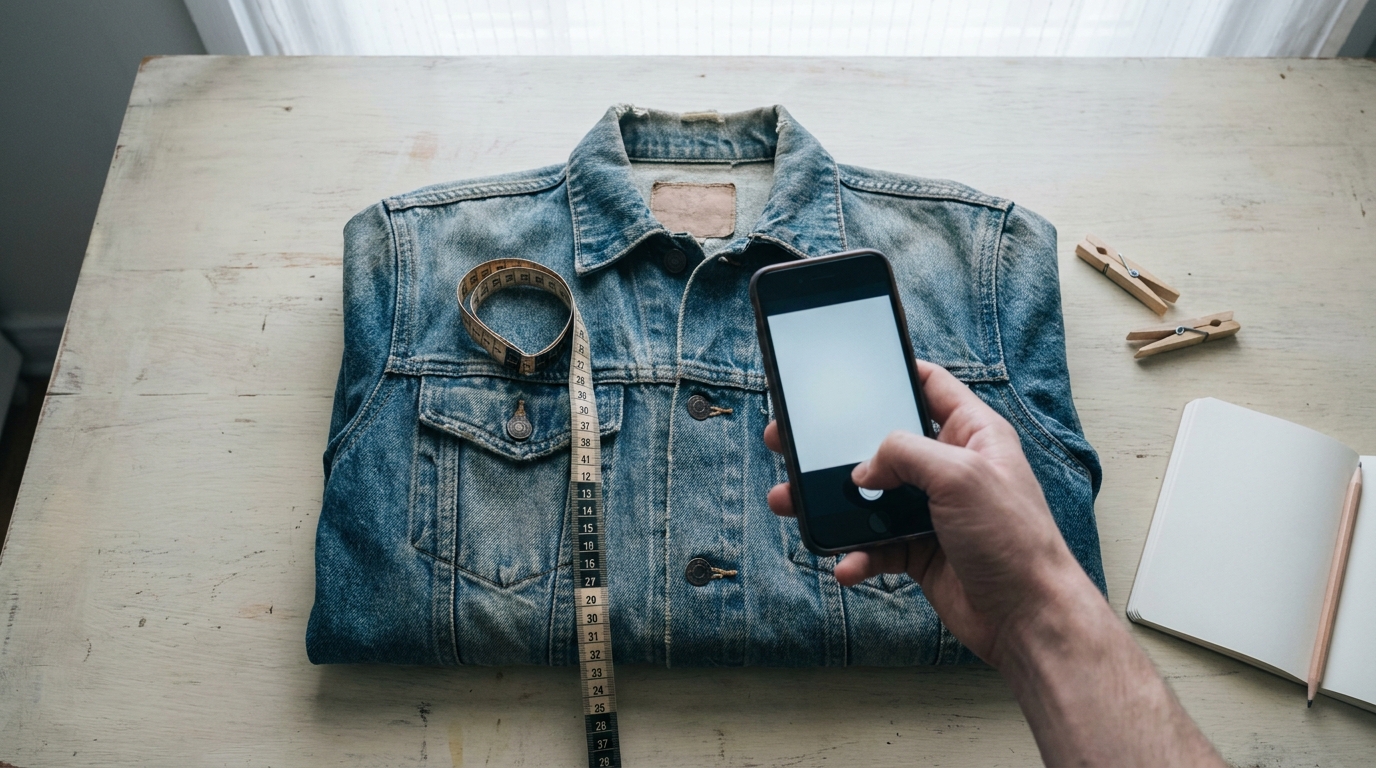
It helps to understand who actually pays Vinted's fee. The buyer protection fee, a fixed amount of EUR 0.70 plus 5% of the item price, is paid by the buyer, not the seller. So dropping your asking price by a euro does not really "save" the buyer much, it mostly just trims your own return. If the market already feels crowded, set a margin floor before you source and use a stricter Vinted margin checklist before accepting weaker offers. The Bump feature, which buys your listing extra visibility for three or seven days, exists for when something genuinely is not moving, but lean on it sparingly rather than as a default. The bigger lever is rhythm. Listing little and often keeps your items appearing in more feeds, and payday and weekends are good moments to post when more people are browsing with money to spend.
Getting to the good listings first
Reselling at any real margin comes down to two moments: buying cheap, and being early. Cheap sourcing is the unglamorous part. Charity shops, car boot sales, end-of-line wholesale, and honestly your own wardrobe are where margins are made, long before anything gets photographed. When you source on Vinted itself, set a fair Vinted bargain price before the listing appears so speed does not overrule your margin. If you want a practical look at low-cost sourcing, this walkthrough is a useful watch on starting from almost nothing.
The second moment is speed, and it cuts both ways. When you are selling, being early means listing the moment good stock is in hand. When you are buying, being early means getting to a bargain before the crowd does. That second one is where a saved search earns its keep. Set the search once, and let a real-time alert the moment a matching listing goes live reach you instead of you checking the app forty times a day. For the setup itself, use the Vinted alerts guide before you scale into more alerts.

I want to be straight about what this does and does not do, because over-promising helps nobody. An alert shortens the gap between a listing going live and you knowing about it, from however often you happen to refresh down to seconds, and that is all it does. It does not guarantee the item, because someone with the same alert might tap buy a moment before you, and it cannot create listings that nobody posted. What it fixes is the part you were losing on by accident: not knowing the thing existed until it was already sold.
Has Vinted reselling peaked?
Plenty of sellers will tell you it has. Spend time in any reselling group and you will hear that the platform feels saturated, that there are too many sellers chasing the same buyers, that it is harder than it was two years ago. That is a fair read of the experience, and it is partly true: more sellers means more competition for attention.
But the market itself is still growing, not shrinking. ThredUp's forecast has global secondhand apparel reaching 367 billion dollars by 2029, growing well faster than the clothing market overall. There is also a cultural tailwind. The no-buy and underconsumption movement that took off online has pushed a lot of people towards buying used instead of new, which is exactly the demand Vinted serves. And Vinted's own expansion into electronics, homeware and collectibles, plus new countries, keeps opening fresh corners that are nowhere near as crowded as womenswear.
So the practical answer for someone starting now is not to compete in the most-fished pond. Niche down to something specific you actually know, and at the same time widen your net geographically. You can watch listings across any Vinted country, not just your own, which matters when a brand is cheap in one market and sought after in another. Saturation is real at the surface; underneath it there is still plenty of room.
Do you have to pay tax on what you sell?
This is where a lot of casual sellers panic for no reason, so it is worth getting precise. There are two separate things, and they get confused constantly: being reported, and owing tax.
Reporting is the new bit. Online platforms now have to share seller information with the tax authorities once you cross a threshold. Vinted spells its own threshold out plainly: everyone who makes at least 30 sales or earns over EUR 2,000, roughly GBP 1,700, on Vinted in a calendar year. This is not a UK quirk. It comes from the EU's DAC7 directive, which has applied across the bloc since the start of 2023 and requires platforms to report what sellers earn to their national tax office each year.
Being reported is not the same as owing anything, and the official guidance is unusually blunt on this. The UK's Tax Help for Hustles page states that the online selling tax rules have not changed, that you can still make up to GBP 1,000 a year tax-free from a side hustle as you have been able to since 2017, and that if you are just selling unwanted personal belongings like old clothes from time to time you do not usually need to tell the tax office at all. Tax only enters the picture if you are trading, that is, buying or making things specifically to sell them at a profit, above that GBP 1,000 trading allowance. The exact figures here are the UK's. The DAC7 reporting trigger is the same across the EU, but tax-free allowances differ from country to country, so if you sell from outside the UK, check your own national tax office for the local thresholds.
So the rule of thumb is simple. Clearing out your own wardrobe? Sell as much as you like and stop worrying about it. Running a genuine buy-to-flip operation that clears the allowance? Keep records and report your profit, the same as any other small trade. If anything, the fact that tax authorities now bother to watch second-hand selling at all tells you how big it has got.
The boom is real, the good stuff still moves in minutes, and the people who win are the ones who source smart and get there first. Pick one item you actually want, set a tight saved search for it, and be ready to move when the alert lands. When you want those alerts arriving the second a match goes live, that is what InstantAlert's free trial and paid plans are built for. And once you have one running, the advanced Vinted filters playbook shows how to layer must-include lists, must-exclude lists, blocked sellers and country picks on top, so the pings you actually read are only the ones worth your time.