Last updated
Sell or donate clothes by weighing realistic proceeds against the work and space still involved. List an item when its condition and likely demand make the return worth your time. Bundle low-value pieces if that cuts down on repeated work, and put a deadline on every listing. Then make a deliberate choice to donate, recycle, or keep what remains.
This guide is for casual Vinted sellers clearing their own wardrobes. Regular resellers can use the same framework with a stricter return floor. It covers item-level choices, not tax, professional stock valuation, or country-specific textile recycling rules.
In this post: When to sell or donate · The 400-sale lesson · Why resale value falls · Items worth listing · How to bundle · Set a deadline · Use alerts carefully · Make the decision
When should you sell or donate clothes on Vinted?
Sell when the likely proceeds justify the work still ahead. Donate when clearing space quickly matters more than the extra money. The choice sounds simple until you open the wardrobe. A coat that cost EUR 180 can still feel wrong to donate when similar used coats barely move at EUR 15.
The receipt records what you paid, not what the item is worth today. In economic terms, the original purchase price is a sunk cost. Once that money cannot be recovered, the decision comes down to future costs and benefits. Ask what the item may sell for now, then count the effort, storage, and packing it still needs.
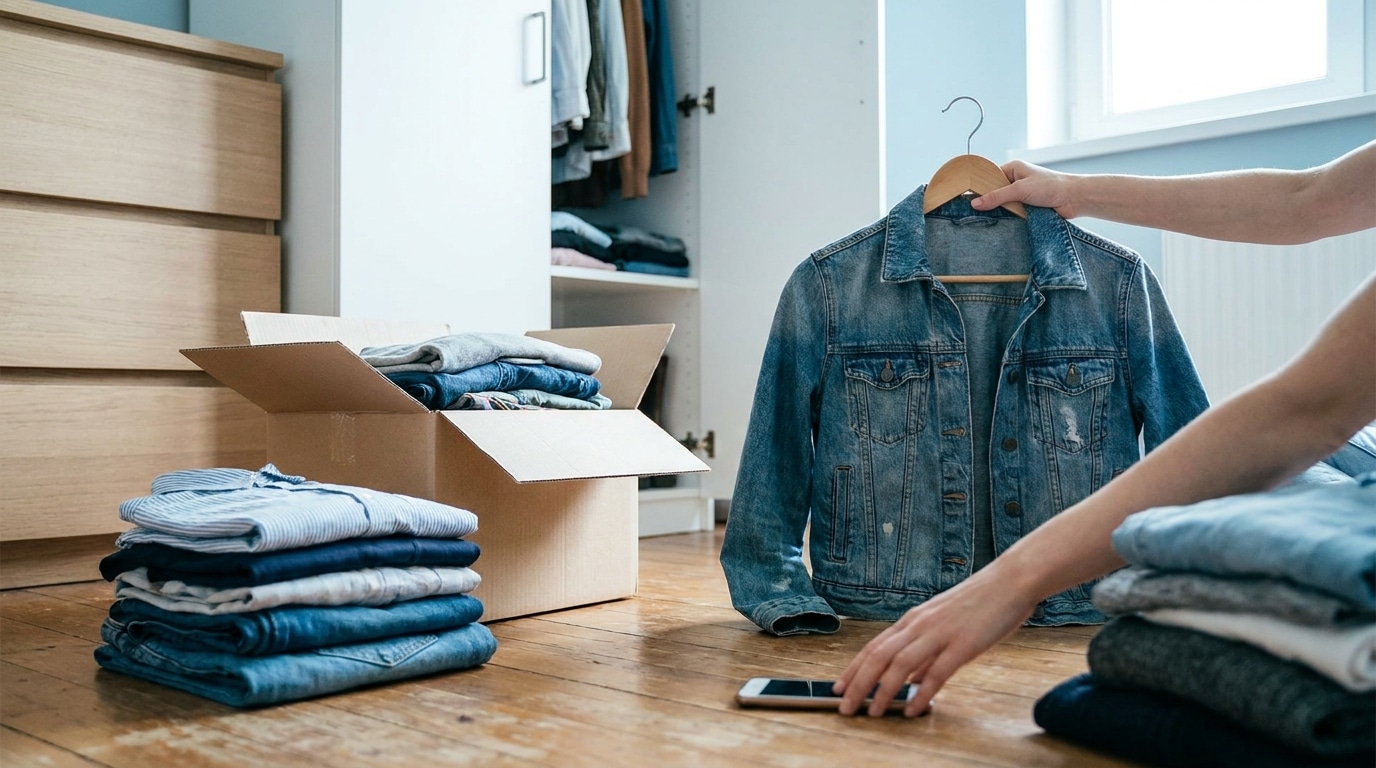
Decide what you want from the clear-out before sorting. If the priority is the highest possible return, patient individual listings make sense. For speed, bundles and donations usually work better. Keeping something is also reasonable when it fits, gets worn, and would otherwise need replacing. "Keep" only becomes a problem when it is the automatic answer for clothes you no longer use.
Set your minimum acceptable return for one listing. There is no useful universal hourly rate for both a casual seller clearing one rail and a reseller who lists every week. Use a cash amount, a return for the active minutes involved, or both. Make that call before nostalgia gets a vote on the price.
What did 400 Vinted sales change for one seller?
After moving more than 400 items, one seller started to see a full wardrobe differently. It looked like stored labour and lost spending rather than a collection of future payouts. In a recent r/minimalism post from a seller who moved more than 400 items, the poster described the repetition involved in selling and the small amount many pieces recovered. The discussion had about 1,900 upvotes when researched. Even so, it is one person's experience, not a representative study.

The post does not make a case for never buying clothes or donating everything. It shows how a wardrobe can hide dozens of small jobs: checking items, taking photos, answering messages, storing stock, packing parcels, and handing them over. A EUR 4 sale may be welcome. Fifty separate EUR 4 sales still mean 50 separate transactions.
That workload has grown as the Vinted resale market has expanded quickly. A large marketplace may help an item find a buyer, but that does not make every listing worth the seller's time. Demand comes with more competing stock and plenty of easy substitutes.
Use the post as a prompt to audit your own wardrobe. Start by counting how many listings you are honestly willing to manage. If the answer is ten, pick the ten strongest candidates and move everything else along by a faster route.
Why does resale value fall so far below retail price?
Buyers compare your item with what else they can get today, not with the amount on your old receipt. Uncertain condition, abundant supply, changing taste, and cheap new clothes can all bring the resale price down. A Vinted price is a market estimate, not a percentage refund on the original purchase.
The same pressure appears beyond individual listings. WRAP's research on the second-hand clothing market found that recovered textiles at textile banks fell in value from GBP 406 per tonne in 2013 to GBP 172.50 in 2023. Values at charity shops dropped from GBP 432 to GBP 255 per tonne over the same period. WRAP linked the decline mainly to large volumes of lower-quality clothing.
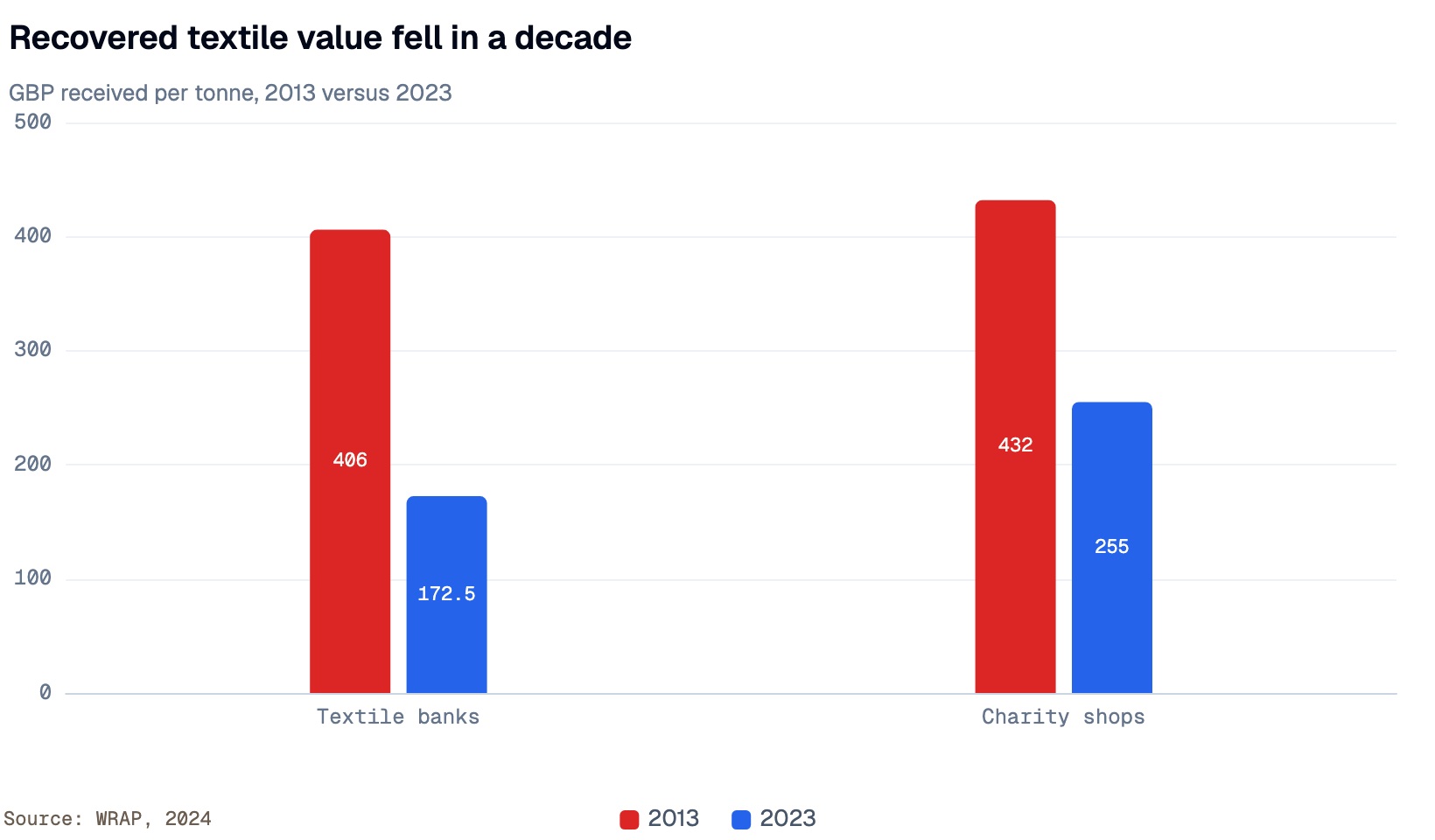
These figures cover the UK recovered-textile trade. They do not predict what your jumper will fetch. "Someone will want it" is still not a price estimate, especially when supply outpaces demand for common pieces or clothes with visible wear.
If low-value supply keeps growing while reuse-market values remain under pressure, the sensible response is not to lower your return floor indefinitely. Raise the bar for individual listings and move more common pieces into bundles or faster exit routes. Revisit that rule if comparable items start selling faster or recovered-textile values improve. This is an inference from the cited market evidence, not a forecast from WRAP.
Look for sold listings or close current comparisons where possible, then choose a conservative expected price. Ignore optimistic outliers that have been sitting unsold for months. If you buy specifically to resell, set a minimum margin before you source. Apply the same discipline to clothes you already own, without chasing money that is already gone.
Which items are worth listing one by one?
List an item on its own when the realistic sale price clears your return floor and you are confident that someone will search for it. Good candidates tend to have identifiable demand, a condition you can describe with confidence, and no packing headaches. A recognisable model, useful material, uncommon size, or seasonal need may matter more than the original price.
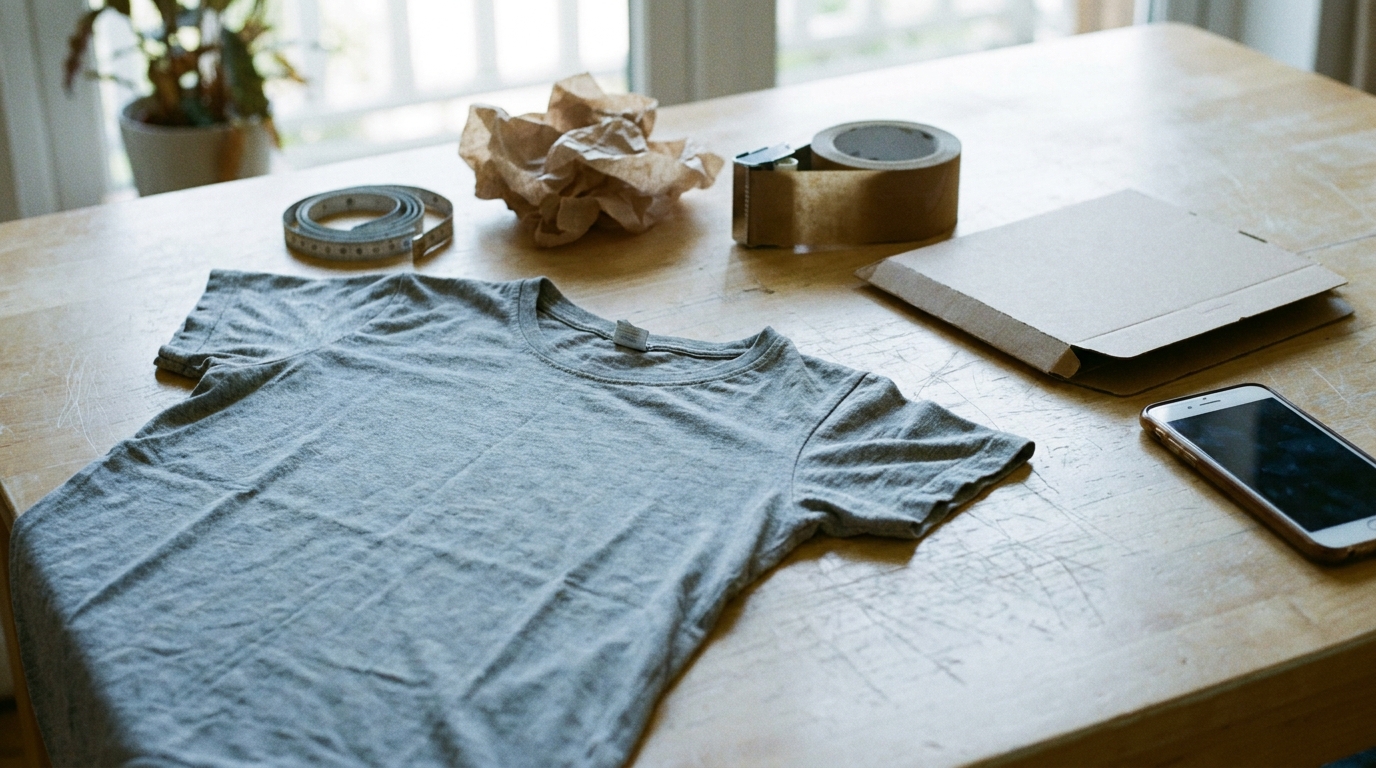
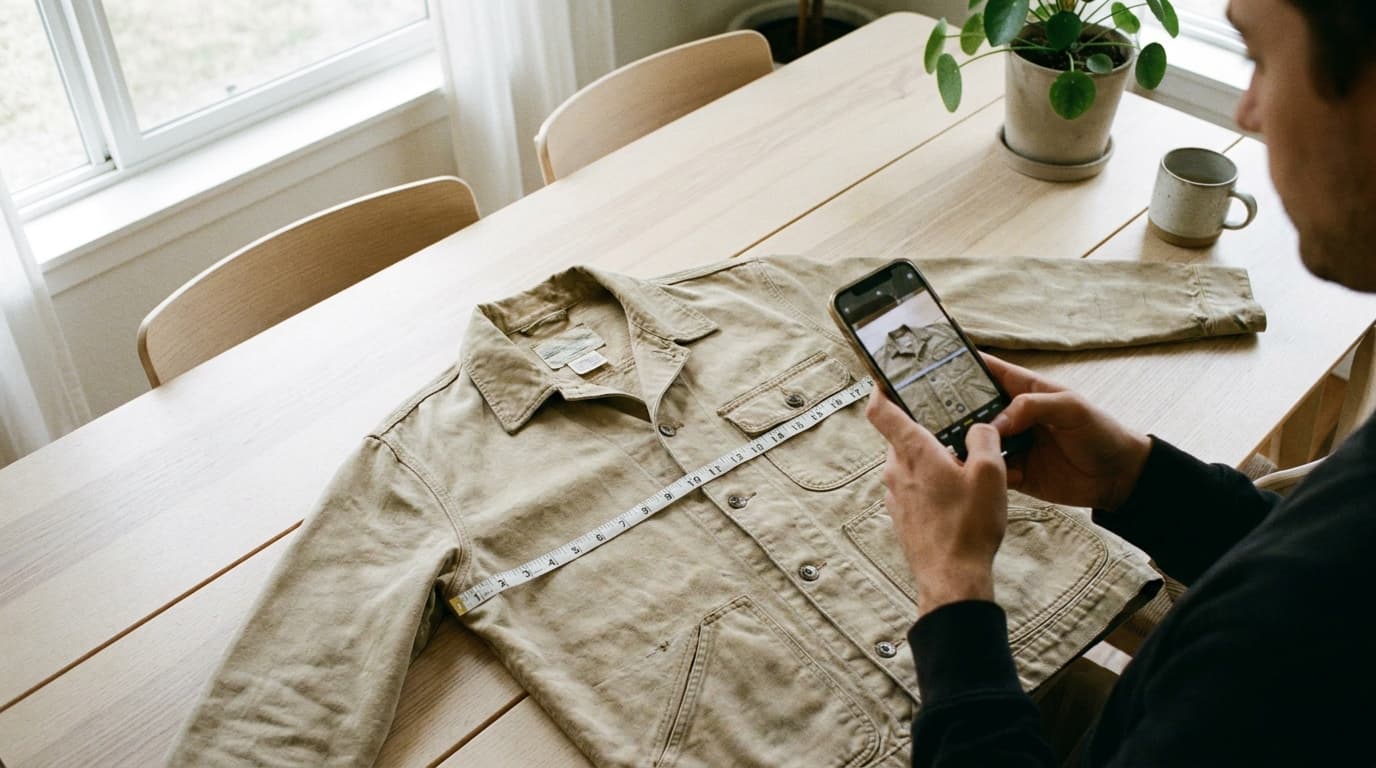
Think through the whole job before deciding to list. Allow time for photos and a description, then for messages, storage, and packing later. Follow Vinted's step-by-step listing requirements: photograph the item clearly and describe any flaws or defects accurately. If you cannot identify a mark or test a feature, treat that uncertainty as a reason to lower your estimate.
Remember what the buyer pays in total. A cheap shirt can stop looking cheap once delivery and buyer-facing charges appear, so include shipping and packaging in the real deal price. Set a higher seller threshold for awkward, fragile, or bulky parcels. They take more effort and leave more room for trouble.
A EUR 6 sale might be perfectly sensible when you photograph five listings in one session. The same EUR 6 looks much less appealing if the item needs a special wash, detailed measurements, and separate packaging. Joshua Becker's short explanation compares the return from selling with the time and space you could reclaim instead.
Bundle the low-value items that still deserve a buyer
Bundle low-value clothes when one coherent set is easier to understand and buy than several weak listings. Build the bundle around a buyer's need, such as one size and category. A bundle should not feel like a bag of leftovers. Three children's tops in one size make sense together; an unrelated shirt, scarf, and skirt do not.
Vinted's rules for selling items as a set allow up to five items in a set. Show and describe every piece, including its flaws, so the buyer knows exactly what is included. Leave out anything unsaleable instead of hiding it behind stronger pieces.
A bundle works if the effort saved is greater than the return lost. Photograph the pieces together, with individual photos where needed. Then write one accurate description and pack one parcel. Price the set below the total of optimistic single-item prices, but above the amount that would make you resent the sale.
Use this quick test:
- Would the same buyer reasonably want every item?
- Can the set stay within a practical parcel size?
- Does one transaction beat the return you expect after several separate listings?
- Will you donate or recycle the full set if it misses its deadline?
If your confidence drops halfway through the questions, pull out the one desirable item and send the rest elsewhere. A bundle saves work only when the buyer receives a set that makes sense.
Set a deadline before unsold stock becomes clutter
Choose a fixed deadline when the listing goes live and decide the exit route at the same time. Without a date, unsold stock can sit in a drawer while you wait for a price the market has already rejected. A deadline gives "maybe later" an end date.

Pick a window that suits your goal and the season instead of copying an arbitrary rule. A winter coat listed in warm weather may deserve a different window from a pair of everyday jeans. Write the date somewhere visible. Decide in advance whether the item gets one price cut or one bundle attempt before it leaves.
Match the exit route to the item's condition. The Charity Retail Association's donation checklist recommends giving clean, functional, saleable items and checking with the shop if you are unsure. Wet, unsafe, badly damaged, or heavily soiled clothing does not belong in a donation bag. Use a suitable textile recycling option for material that cannot reasonably be sold again, subject to local collection rules.
Count storage time even though it has no price tag. A rail in a spare room may be tolerable. Four boxes blocking the hallway may not be. The amount of space stock occupies should affect both how quickly you clear it and the return you require to keep it around.
Can alerts help you buy fewer, better items?
Alerts can help you buy fewer, better items when each saved search follows a buying rule you have already chosen. A broad stream of cheap listings invites temptation. A narrow alert for one needed size, model, condition, and ceiling price can keep a search from turning into nightly browsing.
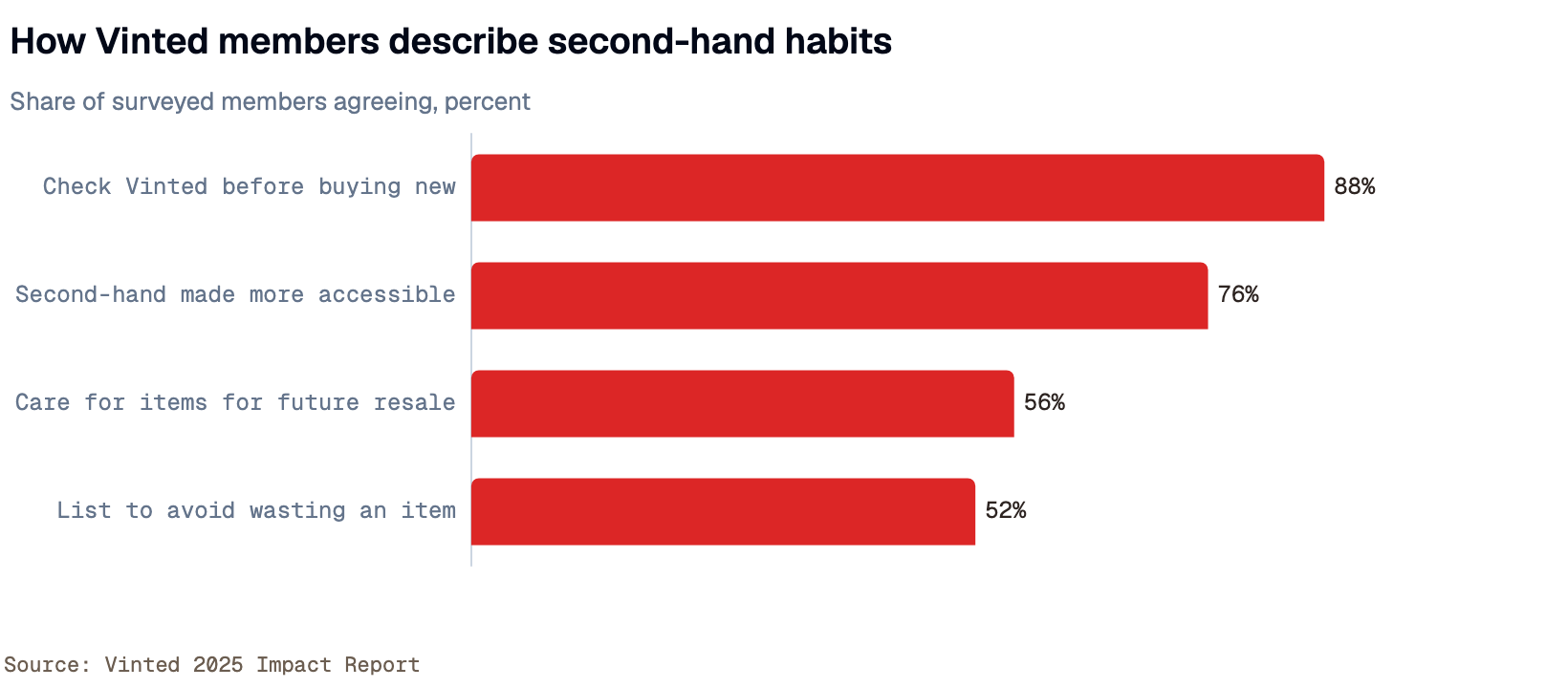
Vinted's own study suggests that access to resale can affect buying behaviour. Vinted's 2025 member and transaction research covered about 50,000 members across nine European markets. It reported that 88% of surveyed buyers check Vinted before buying new, and 76% said the platform makes second-hand more accessible. The study also found that 56% take better care of items because they can resell them, while 52% of sellers list to avoid waste. These responses come from Vinted members in company research and do not describe all consumers.
Write down the reason for an alert in one sentence. "Replace my worn black work trousers in size X for no more than EUR Y" is a rule you can follow. "Interesting bargains" is permission to accumulate more stock.
You can build a calmer Vinted alert workflow around a few narrow searches and pause each one as soon as the need is filled. InstantAlert can deliver matching listings quickly, but it cannot tell you whether you need the item. Let a notification shorten a planned search instead of starting a new shopping session.
A practical sell or donate clothes decision
Give each item one route based on your goal and the likely outcome today. There is no need to prove that it was a good purchase. Choose the route that offers the best balance of money, effort, use, and space now.
Use this repeatable order:
- Keep it if you use it, it fits your life, and replacing it would be wasteful.
- List it alone if likely demand and condition support a realistic price above your return floor.
- Bundle it if a coherent set can reduce repeated work while keeping a worthwhile return.
- Donate it if it is clean and saleable but speed and space matter more than the likely proceeds.
- Recycle it through a suitable local route if its condition makes reuse unrealistic.
Add the listing deadline before moving on so the exit is part of the plan, not a second decluttering project. If the item sells, check whether the result matched your estimate. Those results will make your future thresholds more realistic.
Apply the same thinking to what comes into the wardrobe. Buy for use first. If you source for resale, do it only when demand and margin are clear. When a specific wanted item disappears quickly, you can automate the search without living in the feed. Just stop the alert once it has done its job.
Selling clothes online can recover some money and find a new owner for good pieces. Donating can clear useful clothing quickly. The right answer changes from item to item. Choose a route you can explain in advance, finish by a fixed date, and repeat without rebuilding the same pile.