Why Second-Hand Fashion Is Booming: Market Trends & How to Start
Discover why second-hand fashion is growing 3x faster than retail. Learn market trends, sustainability impact, and tips to start shopping.
The secondhand fashion market has moved far beyond thrift stores. ThredUp's 2025 Resale Report shows the sector growing three times faster than traditional retail, on track to reach $350 billion globally by 2027. In Europe, Vinted reports over 80 million members buying and selling pre-owned items.
This article covers the forces behind this growth, the environmental argument for secondhand, and how to start shopping smarter.
The Market Forces Driving Growth
McKinsey's State of Fashion 2026 report points to inflation and cost-of-living pressures as key drivers. Secondhand delivers clear value:
- Designer items at 50-90% off retail prices
- High-quality vintage pieces no longer available in stores
- Low-risk style experiments
- Better value retention compared to fast fashion
A designer leather jacket retailing for EUR 400 often shows up on Vinted for EUR 80-120 in excellent condition.
The luxury segment has strong momentum. Bain & Company reports pre-owned luxury growing faster than primary luxury. Gucci, Burberry, and Stella McCartney now run their own resale programs, signaling mainstream acceptance.
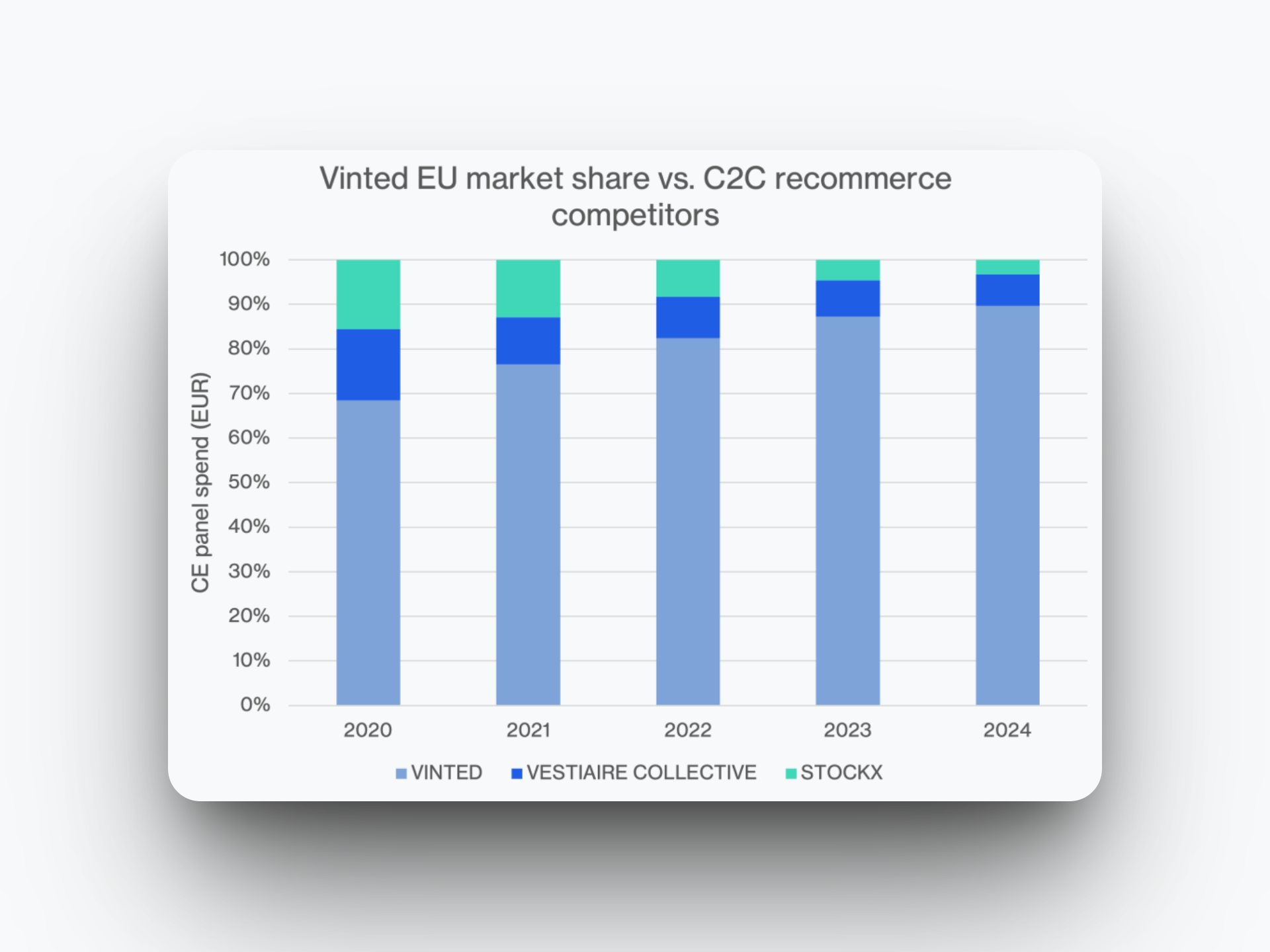
Young consumers are driving this shift. Research shows 73% of Gen Z shoppers will pay more for sustainable products. They buy secondhand at twice the rate of older generations. For them, wearing pre-owned is a deliberate choice, not a compromise.
The Environmental Case
The fashion industry's environmental footprint is severe. According to the United Nations:
- Fashion production accounts for 8-10% of global carbon emissions
- The industry uses 93 billion cubic meters of water annually
- About 87% of textile fiber input ends up incinerated or in landfills
Each secondhand purchase extends a garment's lifecycle. The Ellen MacArthur Foundation estimates doubling the average wear count of a garment would cut the industry's greenhouse gas emissions by 44%.
The average consumer now buys 60% more clothing than 15 years ago but keeps each piece for half as long. Secondhand shopping counters this cycle by keeping quality garments in use.
How to Start Shopping Secondhand: A Practical Guide
Different platforms serve different needs:
| Platform | Best For | User Base |
|---|---|---|
| Vinted | Everyday fashion, European market | 80M+ users |
| Depop | Streetwear, vintage, younger sellers | 35M+ users |
| Poshmark | US market, brand-name items | 80M+ users |
| ThredUp | Curated selection, convenience | 1.7M active buyers |
| The RealReal | Authenticated luxury items | Luxury focused |
Before browsing, make a list:
- Specific items you need (e.g., black wool coat, size M)
- Brands you trust for quality
- Your maximum price
- Condition requirements (new with tags, like new, good)
This prevents impulse buying and keeps your search focused.
Search tips to find better listings:
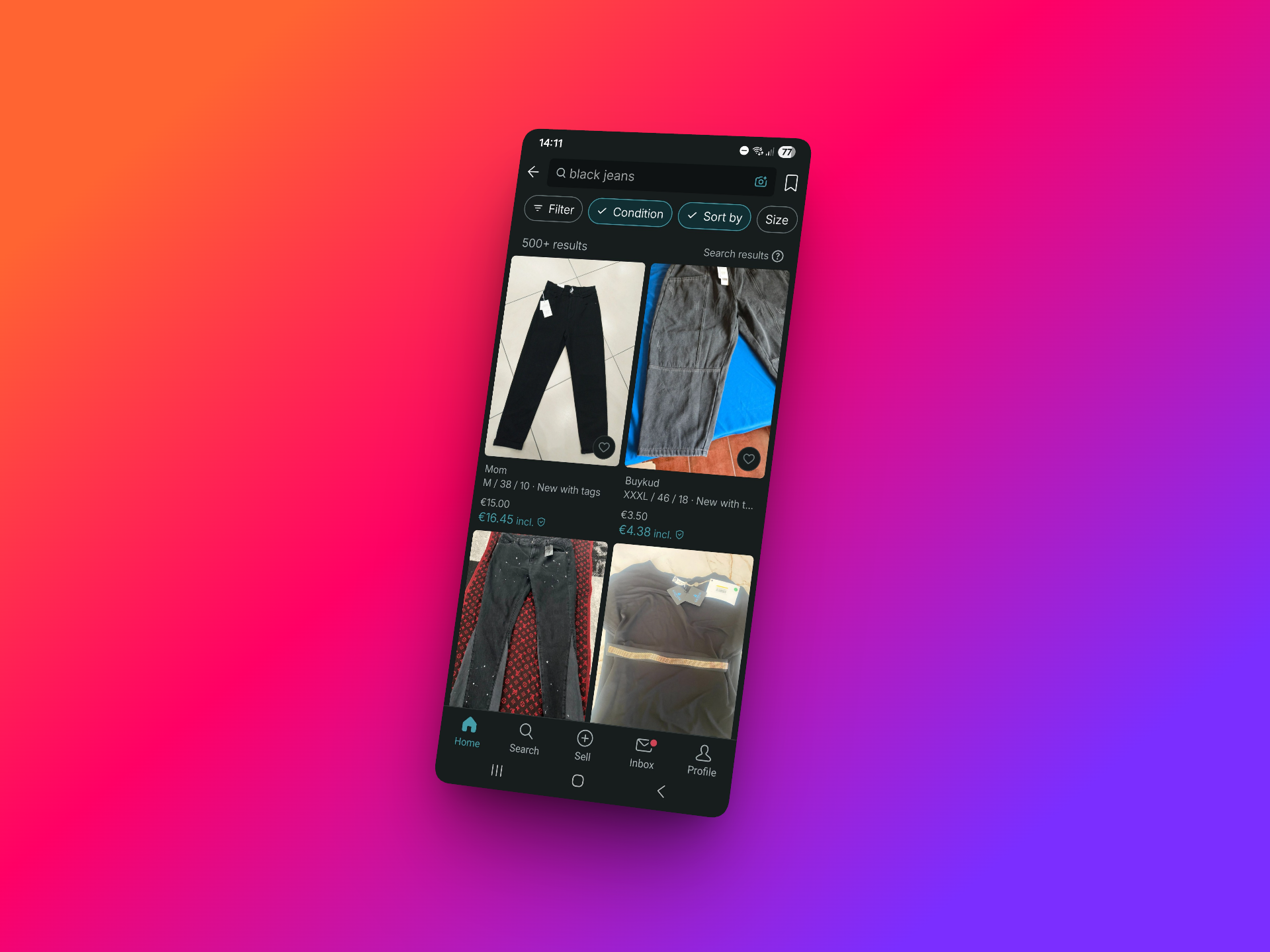
- Use exact sizes. Filter by your measurements, not generic sizes.
- Try misspellings. Sellers make typos. "Burbery" or "Chloe" (without accent) surfaces overlooked listings.
- Set price alerts. Instant notifications tell you when matching items appear.
- Save searches on the platform for quick repeat browsing.
Before buying, check:
- Multiple photos. Ask for more if the listing is sparse.
- Detailed measurements. Do not rely on size labels alone.
- Seller history. Look at ratings and past sales.
- Item description. Note any flaws mentioned.
- Return policy. Understand your options if the item does not match.
Popular items sell fast. Setting up alerts through InstantAlert puts new listings in front of you immediately, not hours later when they are already gone.
Real Examples: What Savings Look Like
Sarah, a marketing professional in Amsterdam, wanted a Celine Luggage bag (retail: EUR 2,500). She set up alerts on Vinted and found one in excellent condition for EUR 650 within three weeks. Savings: EUR 1,850.
Marcus needed winter clothes for his rapidly growing toddler. Instead of spending EUR 200+ on new items, he bought a full season of quality brands (Petit Bateau, H&M organic line) for EUR 45 on Vinted. When his son outgrew them, he resold for EUR 30.
Emma collects 1990s band t-shirts. Vintage stores charge EUR 80-150 per shirt. Through persistent searching on Depop and Vinted, she built a collection of 20+ authentic tees at an average of EUR 15 each.
What the Future Holds
McKinsey's State of Fashion 2026 report projects secondhand reaching 10% of the global apparel market by 2030, up from roughly 4% today.
Trends to watch:
- AI-powered authentication making luxury resale safer
- More brands launching take-back and resale programs
- Cross-border shipping improvements for international buyers
- Rental and subscription models complementing outright purchase
Getting Started Today
If you are new to secondhand shopping, start small:
- Download Vinted or your preferred platform
- Browse your favorite brands to see pricing
- Make your first purchase under EUR 20 to test the process
- Set up alerts for specific items you are looking for
The best secondhand finds go fast. Having alerts set up means you see them first.
Frequently Asked Questions
How big is the second-hand fashion market?
According to ThredUp's 2025 Resale Report, the global secondhand market is projected to reach $350 billion by 2027, growing three times faster than traditional retail.
Is second-hand fashion sustainable?
Yes. The United Nations reports the fashion industry produces 8-10% of global carbon emissions. Buying secondhand extends garment lifecycles and reduces demand for new production.
Where do you buy second-hand clothes online?
Popular platforms include Vinted (largest in Europe with 80+ million users), Depop, Poshmark, and ThredUp. Each has different strengths depending on what you are looking for.
How do you avoid scams when buying second-hand online?
Use platforms with buyer protection, check seller ratings, ask for detailed photos, verify authentication for designer items, and use secure payment methods within the platform.
What sells fastest on second-hand platforms?
Designer items, vintage pieces, children's clothing, and popular contemporary brands typically sell within hours. Using instant alerts helps you catch these items before others.

Related Articles
From TikTok to Vinted: How to Find Viral Fashion Trends Before They Sell Out
Discover the hottest TikTok fashion aesthetics you can find on Vinted in 2026, from quiet luxury to Y2K. Learn the exact search keywords and strategies to grab trending items before they disappear.
Vinted vs Depop vs Poshmark: Which Platform Is Best for Second-Hand Shopping?
Compare Vinted, Depop, and Poshmark fees, user base, and features to find the best resale platform for your shopping style.
Never Miss a Vinted Deal Again
Set up instant alerts and be the first to know when your desired items are listed. Start free, no credit card required.
Join thousands of smart shoppers already using InstantAlert
Start Free Now